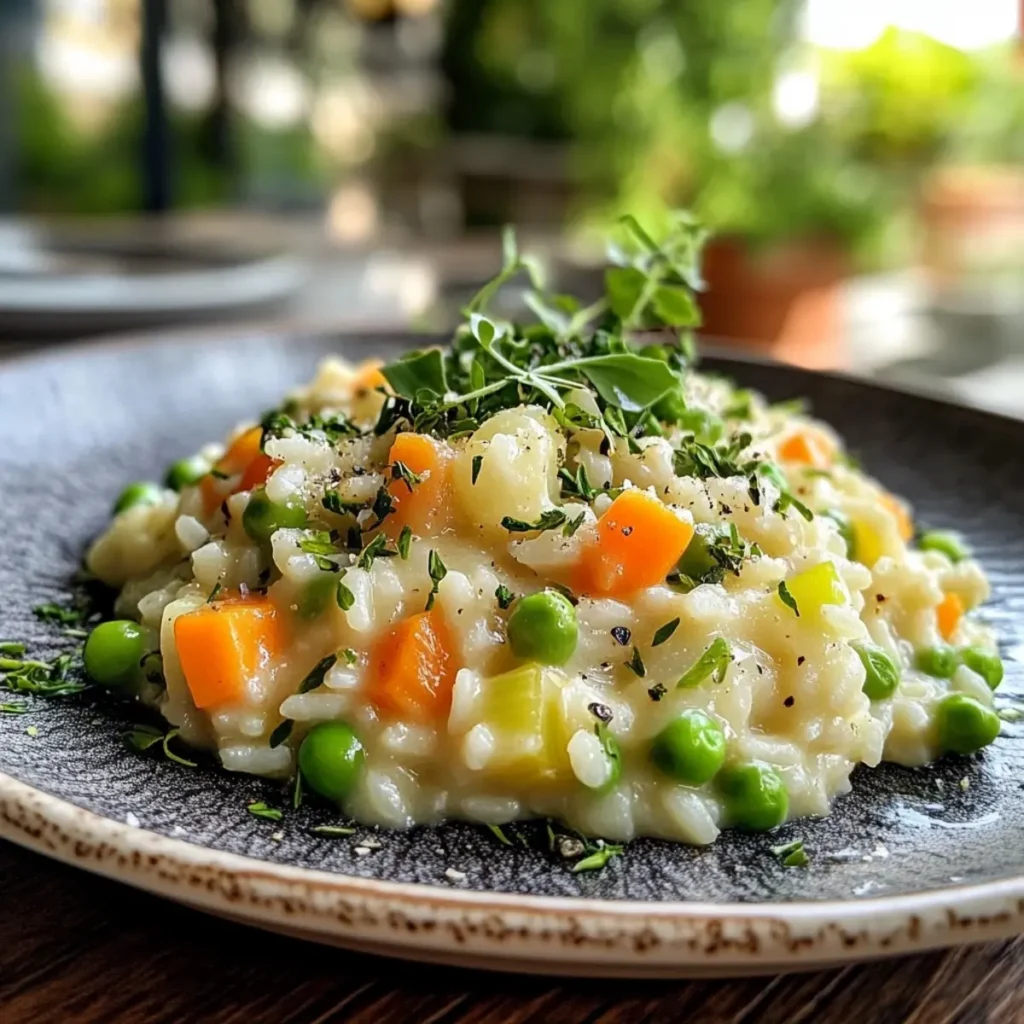
As the vibrant colors of spring arrive, I find myself gravitating towards fresh, seasonal ingredients that awaken the senses. Picture this: the delightful crunch of tender asparagus, the sweetness of fresh peas, and the earthy notes of baby carrots, all coming together in a creamy risotto that feels like a warm embrace. This Spring Vegetable Risotto isn’t just a dish; it’s a celebration of the season’s best offerings, effortlessly transforming any weeknight dinner into something special.
I discovered this recipe during one of those lazy afternoons when I wanted to savor the essence of spring without spending hours in the kitchen. The best part? It’s gluten-free and vegetarian, making it a perfect choice for anyone seeking a comforting yet elegant meal. So grab your apron, and let’s dive into a bowl of creamy, deliciousness that brings the joy of spring right to your table!
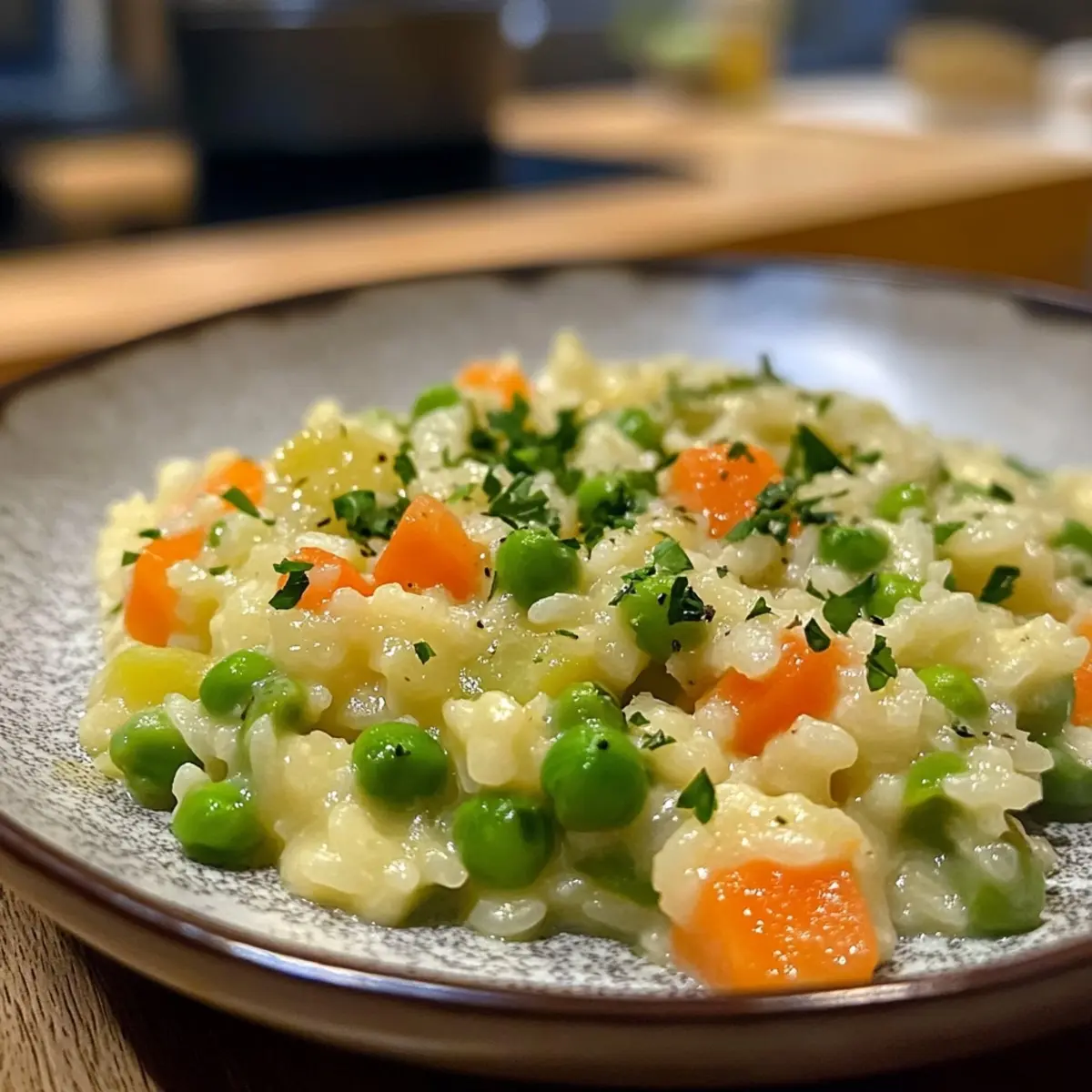
Why is Spring Vegetable Risotto a must-try?
Seasonal Freshness: This risotto celebrates the vibrant flavors of spring, featuring tender asparagus, sweet peas, and crunchy carrots.
Comforting and Creamy: The creamy texture made from Arborio rice creates a comforting dish that feels indulgent yet approachable—perfect for any occasion.
Diet-Friendly: It’s gluten-free and vegetarian, making it an excellent choice for diverse dietary needs while still being filled with robust flavors.
Quick and Easy: With simple ingredients and straightforward steps, you can whip up this dish in around 30 minutes, making it ideal for busy weeknights.
Crowd-Pleaser: Whether serving family or guests, this risotto impresses with its rich flavors and beautiful presentation, ensuring everyone enjoys a delightful meal.
For more delightful recipes like these, don’t forget to check out our other seasonal favorites!
Spring Vegetable Risotto Ingredients
For the Risotto
• Arborio rice – Provides the creamy base for the risotto; substitute with Carnaroli or Vialone Nano for a similar texture.
• Vegetable broth – Adds flavor; keep warm for better texture throughout cooking.
• Onion – Aromatic base to enhance overall flavor; finely chop for even cooking.
• Garlic – Adds a fragrant kick; avoid browning to prevent bitterness in the dish.
• Olive oil – For sautéing aromatics; can replace with butter if a richer taste is desired.
• Unsalted butter – Contributes creaminess; omit for a vegan version if needed.
For the Veggies
• Asparagus – Offers freshness and crunch; green beans are a great substitute if unavailable.
• Peas – Gives a sweet flavor; fresh or frozen both work wonderfully.
• Baby carrots – Provide natural sweetness; can use regular carrots, sliced thinly.
• Zucchini – Adds lovely texture; yellow squash is a good alternative.
To Finish
• Parmesan cheese – Adds richness and depth; for a dairy-free option, use nutritional yeast.
• Fresh parsley – Brightens up the dish as a garnish for a pop of color.
• Lemon juice – Brightens flavor; vinegar can stand in if you want a similar acidity.
• Salt & pepper – To taste; adjust based on the saltiness of the broth you’re using.
Dive into this Spring Vegetable Risotto and embrace the season’s best flavors wrapped in creamy goodness!
How to Make Spring Vegetable Risotto
- Prepare Vegetables: Wash, trim, and chop asparagus, carrots, zucchini, and parsley, ensuring everything is ready for cooking. This step sets you up for smooth and easy risotto preparation.
- Sauté Aromatics: Heat olive oil and butter in a large sauté pan over medium heat. Add chopped onion and sauté until it becomes translucent, about 3-4 minutes, filling your kitchen with delightful scents.
- Add Garlic: Stir in minced garlic, cooking for about 30 seconds until fragrant. Be careful not to brown it, as that can turn bitter and affect the dish’s flavor.
- Toast Rice: Pour in the Arborio rice and toast for 1-2 minutes. Look for the rice’s edges to turn translucent as it absorbs the comforting aroma of the sautéed veggies.
- Gradually Add Broth: Slowly add warm vegetable broth, ½ cup at a time, stirring continuously. Wait until each addition is absorbed before adding more—this process takes about 18-20 minutes and will create that signature creamy texture.
- Incorporate Veggies: Halfway through cooking, mix in the sliced carrots and asparagus. Add peas and zucchini in the last 3-4 minutes, ensuring everything is perfectly tender while keeping a bit of crunch.
- Finish and Season: Remove the pan from heat, then stir in Parmesan cheese, fresh parsley, and lemon juice. Season with salt and pepper to taste, enhancing the dish’s brightness and flavor balance.
- Serve Warm: Dish out the risotto immediately. This ensures the creamy texture and vibrant taste are at their best for you and your guests to enjoy right away.
Optional: Drizzle with a little extra olive oil for added richness before serving.
Exact quantities are listed in the recipe card below.
Make Ahead Options
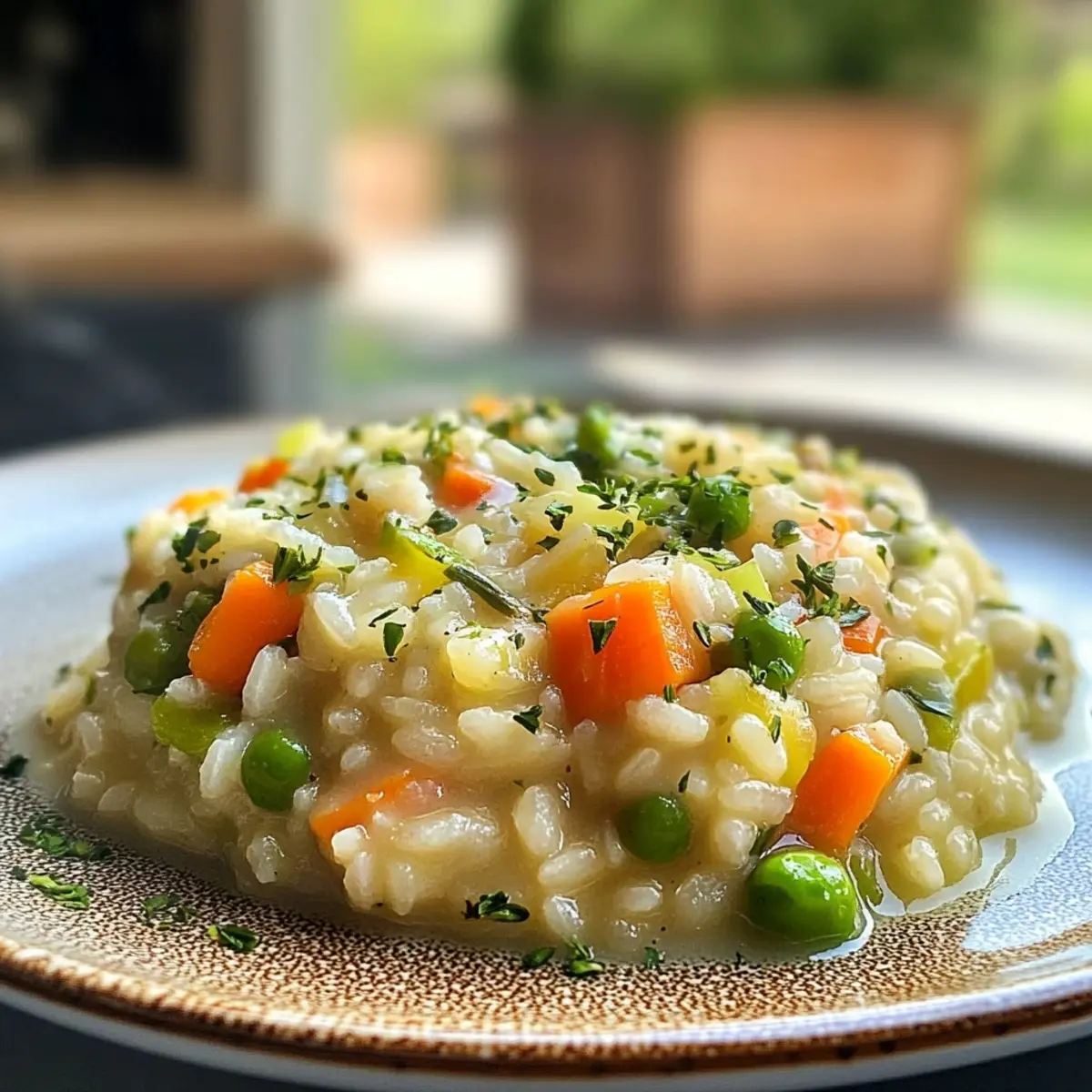
These Spring Vegetable Risotto preparations are perfect for busy home cooks who want to save time during the week! You can chop and prepare all the vegetables (asparagus, carrots, zucchini, and parsley) up to 24 hours in advance; just store them in an airtight container in the refrigerator to keep them fresh. For the risotto, it’s best to cook it fresh for optimal creaminess, but you can prepare the broth ahead and keep it warm. When you’re ready to serve, simply sauté the aromatics, toast the rice, and gradually add your prepared broth, finishing with the veggies and cheese right before serving to ensure every bite is just as delicious!
Expert Tips for Spring Vegetable Risotto
- Keep Broth Warm: Always warm your vegetable broth before adding it to the rice. This prevents cooking temperature drops, ensuring your risotto remains creamy and luxurious.
- Stir Constantly: Stirring the rice consistently allows it to release starch, which is essential for that signature creamy texture in your Spring Vegetable Risotto.
- Add Veggies at the Right Time: To maintain the vibrant colors and textures, add hard vegetables like carrots early on and softer ones like peas towards the end of cooking.
- Serve Immediately: Risotto is best enjoyed right after cooking. If you need to store it, reheat gently and add a splash of broth to bring back the creaminess.
- Use Fresh Ingredients: The fresh, seasonal vegetables shine in this dish. If you can’t find fresh, frozen alternatives work, but adjust cooking times slightly to avoid mushiness.
How to Store and Freeze Spring Vegetable Risotto
Fridge: Store leftover spring vegetable risotto in an airtight container for up to 3 days. To maintain its creamy texture, sprinkle a bit of extra broth or water before reheating.
Freezer: For longer storage, freeze the risotto in individual portions in airtight containers or freezer bags. It can be kept for up to 3 months; just remember to label them with the date!
Reheating: When ready to enjoy your frozen risotto, thaw it in the fridge overnight. Reheat it gently on the stovetop, adding a splash of vegetable broth to restore creaminess.
Room Temperature: Do not leave risotto out at room temperature for more than 2 hours, as bacteria can grow rapidly. Always refrigerate any leftovers promptly to ensure food safety.
Spring Vegetable Risotto Variations
Feel free to sprinkle your own creativity into this delightful risotto and customize it to suit your taste!
- Dairy-Free: Replace Parmesan cheese with nutritional yeast to keep the flavor rich while making it vegan-friendly.
- Protein Boost: Stir in cooked chicken, shrimp, or chickpeas for an added protein punch, transforming it into a heartier meal.
- Herb-Infused: Experiment with fresh herbs like thyme or basil to offer a garden-fresh twist that enhances the overall flavor.
- Spice it Up: Add a pinch of red pepper flakes for a little heat, bringing a delightful kick that balances the sweetness of the vegetables.
- Nutty Crunch: Toasted pine nuts or slivered almonds can be sprinkled on top just before serving, adding a lovely crunch alongside the creamy texture.
- Mushroom Flavor: Incorporate sautéed mushrooms for an earthy depth, creating a wonderful contrast to the vibrancy of the spring vegetables.
- Lemon Zest: Grate some fresh lemon zest on top right before serving, which brightens the entire dish and enhances its refreshing qualities.
- Seasonal Veggies: Swap asparagus for snap peas or add in some fresh spinach for variety based on what’s in season—each brings unique flavors and colors to your plate.
Get inspired and adapt this Spring Vegetable Risotto as you wish, turning it into your own masterpiece!
What to Serve with Spring Vegetable Risotto?
Imagine the harmonious blend of flavors and textures that can elevate your risotto experience into a delightful feast.
- Garlic Bread: The crispy, buttery garlic bread provides a crunchy contrast to the creamy risotto. It’s perfect for soaking up any leftover sauce.
- Mixed Green Salad: A fresh salad with a zingy vinaigrette balances the richness of the risotto, offering a burst of flavor and color.
- Grilled Lemon Herb Chicken: Juicy grilled chicken adds a protein-packed element that complements the delicate flavors of the risotto beautifully, making it a heartier meal.
- Roasted Asparagus: This dish mirrors the vegetable used in the risotto while adding a smoky flavor. Drizzle with balsamic glaze for a touch of sweetness.
- Sparkling White Wine: A crisp, chilled sparkling white wine refreshes the palate and enhances the fresh, vibrant flavors of the rice and veggies.
- Lemon Sorbet: Light and refreshing, sorbet cleanses the palate after the creaminess, providing a refreshing end to your meal.
- Steamed Broccoli: Add a pop of green with broccoli; its tender texture pairs perfectly with the risotto, combining wholesome nutrition with comfort.
- Artisan Cheese Platter: Serve a variety of cheeses for a sophisticated touch. The rich, salty flavors of cheese enhance the creamy notes of the risotto, making it even more indulgent.
Let these pairings inspire you to create a truly memorable dining experience!
Spring Vegetable Risotto Recipe FAQs
How do I choose the best asparagus for my risotto?
Look for asparagus that is bright green with firm, straight stalks. Avoid any that have dark spots or are limp. If you gently bend a stalk, it should snap easily at the end, indicating freshness.
What’s the best way to store leftover risotto?
Absolutely! Store leftover spring vegetable risotto in an airtight container in the fridge for up to 3 days. I recommend adding a splash of broth or water before reheating to help revive its creamy texture.
Can I freeze spring vegetable risotto?
Yes, you can! To freeze, place your risotto in airtight containers or freezer bags. Make sure to eliminate as much air as possible. It will keep well for up to 3 months! When you want to enjoy it, simply thaw overnight in the fridge and gently reheat on the stovetop, adding a little broth to restore its creaminess.
Why is my risotto too stiff or dry?
Very! If your risotto turns out too stiff, it may be a sign you didn’t add enough broth while cooking. Next time, ensure to add warm broth ½ cup at a time, waiting for it to fully absorb before adding more. Stirring consistently also helps maintain a creamier texture. If you find yourself in a pinch with a dry risotto, adding a bit more broth and stirring can help bring it back to life!
Can I use frozen vegetables instead of fresh?
Absolutely! Frozen vegetables work wonderfully in this recipe, especially when fresh options aren’t available. However, I advise adding them later in the cooking process—around the last 3-4 minutes—to retain their bright color and texture.
Is this risotto safe for my gluten-sensitive friends?
Yes, indeed! This spring vegetable risotto is gluten-free as long as you use a certified gluten-free vegetable broth. Always check the labels, and you’re good to go!
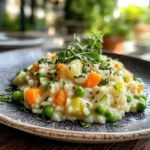
Irresistibly Creamy Spring Vegetable Risotto Delight
Equipment
- large sauté pan
Ingredients
For the Risotto
- 1 cup Arborio rice Can substitute with Carnaroli or Vialone Nano.
- 4 cups Vegetable broth Keep warm for better texture.
- 1 medium Onion Finely chopped.
- 2 cloves Garlic Minced, avoid browning.
- 2 tablespoons Olive oil Can replace with butter.
- 2 tablespoons Unsalted butter Omit for vegan version.
For the Veggies
- 1 cup Asparagus Chopped.
- 1 cup Peas Fresh or frozen.
- 1 cup Baby carrots Sliced thinly.
- 1 medium Zucchini Chopped.
To Finish
- 1/2 cup Parmesan cheese Or nutritional yeast for dairy-free.
- 1/4 cup Fresh parsley Chopped, for garnish.
- 1 tablespoon Lemon juice Or vinegar for acidity.
- to taste Salt & pepper
Instructions
Cooking Instructions
- Wash, trim, and chop asparagus, carrots, zucchini, and parsley.
- Heat olive oil and butter in a large sauté pan over medium heat. Add chopped onion and sauté until translucent, about 3-4 minutes.
- Stir in minced garlic and cook for about 30 seconds, avoid browning.
- Pour in Arborio rice and toast for 1-2 minutes until edges turn translucent.
- Slowly add warm vegetable broth, ½ cup at a time, stirring continuously for about 18-20 minutes.
- Halfway through cooking, mix in sliced carrots and asparagus. Add peas and zucchini in the last 3-4 minutes.
- Remove pan from heat, stir in Parmesan cheese, fresh parsley, and lemon juice. Season with salt and pepper.
- Dish out the risotto immediately.
Notes